5 Signs Your Catch Basin Needs Immediate Attention
Stormwater drainage systems are designed to move water away from roads, parking lots, driveways, and other developed areas. One of the most important components of that system is the catch basin, which collects runoff and prevents debris from entering underground drainage pipes. When problems develop, prompt action can help prevent flooding, property damage, and costly repairs. Use this checklist to identify warning signs that indicate your catch basin may need immediate professional attention.
1. Notice Standing Water Around Your Catch Basin
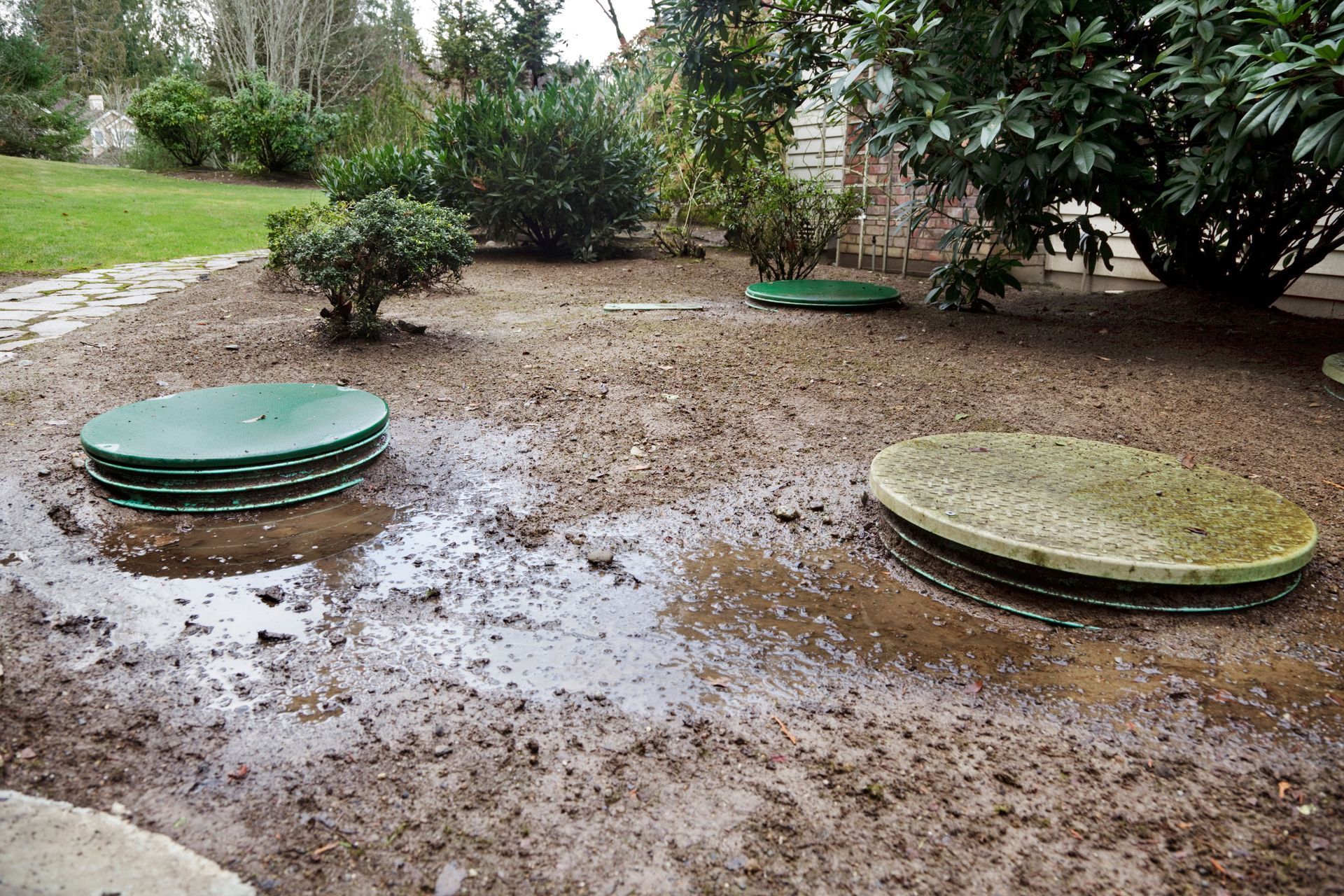
Standing water is often the first indication that a drainage system is not functioning properly. After a rainstorm, water should flow into the catch basin and move through the drainage system efficiently. If puddles remain long after rainfall has ended, there may be a blockage or another issue preventing proper drainage.
Property owners sometimes assume standing water is a minor inconvenience, but it can quickly become a much larger problem. Water that remains on paved surfaces can weaken asphalt and concrete, create slip hazards, and contribute to erosion in surrounding areas.
Use this checklist if you notice standing water:
- Water remains on the surface for several hours after rainfall.
- Puddles form repeatedly in the same location.
- Water collects around the drainage grate.
- Runoff appears to be bypassing the drainage structure.
- Nearby pavement shows signs of deterioration.
Several issues may be responsible for poor drainage, including sediment accumulation, debris buildup, damaged pipes, or structural problems within the drainage system. A professional inspection can identify the cause and determine whether cleaning, repair, or excavation services are necessary.
Ignoring standing water often leads to additional damage over time. The longer water remains trapped on the surface, the greater the likelihood of erosion, pavement failure, and water infiltration into nearby structures. Addressing the issue early can help prevent more extensive repairs later.
2. Detect Strong Odors Near the Drainage Area
Unpleasant odors coming from a catch basin should never be ignored. While drainage systems naturally collect organic material, excessive accumulation can create conditions that produce strong and persistent smells.
Leaves, grass clippings, dirt, and other debris frequently wash into stormwater systems. Over time, these materials begin to decompose. When drainage is restricted, stagnant water can also develop, creating an environment where odors become more noticeable.
Watch for these warning signs:
- Persistent foul smells near the basin.
- Odors that worsen after rainfall.
- Visible organic debris around the grate.
- Slow-moving or stagnant water.
- Increased insect activity near the drainage area.
Strong odors often indicate that cleaning and maintenance are overdue. In some cases, odors may point to more significant drainage issues that prevent water from moving through the system properly.
Routine maintenance plays an important role in preventing these problems. Removing debris before it accumulates helps maintain water flow and reduces the likelihood of unpleasant smells developing. Property owners who address odor issues quickly can often avoid more serious drainage complications.
Odors can also negatively affect the appearance and usability of commercial properties. Customers, tenants, and visitors may view persistent drainage odors as a sign that a property is not being properly maintained. Keeping drainage structures clean helps support both functionality and curb appeal.
3. Find Excessive Debris and Sediment Accumulation
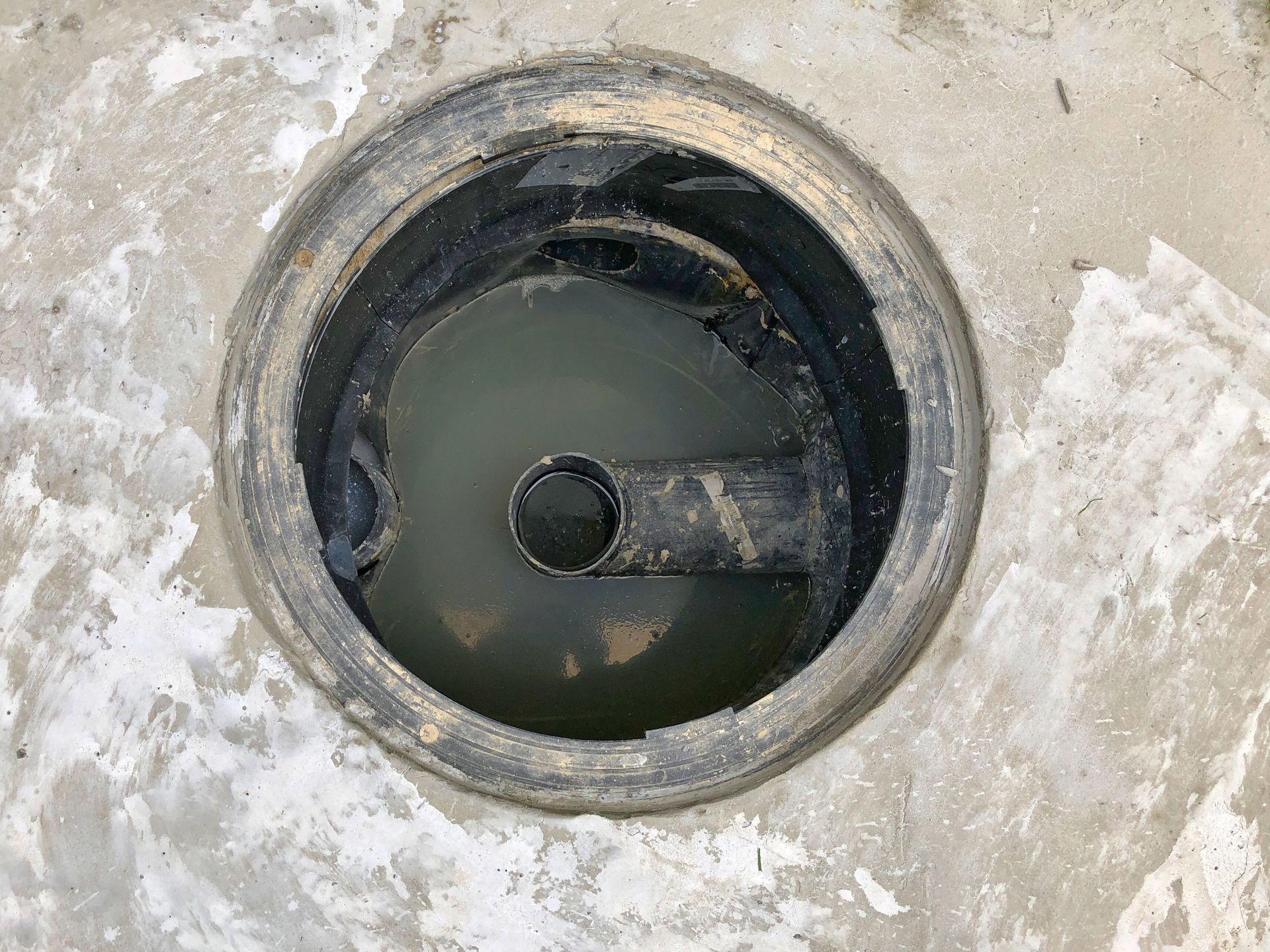
A catch basin is specifically designed to capture debris and sediment before those materials enter the stormwater system. This process protects underground pipes from becoming clogged and helps maintain efficient water flow.
However, every basin has a limited storage capacity. When too much sediment accumulates, performance begins to decline. Eventually, the structure may no longer be able to handle runoff effectively.
Look for these signs of excessive accumulation:
- Sediment is visible through the grate.
- Leaves and trash are collecting around the opening.
- Water drains more slowly than normal.
- Debris repeatedly returns after storms.
- The basin appears full or partially obstructed.
Heavy sediment accumulation often develops gradually, making regular inspections especially important. Property owners may not realize a problem exists until flooding or backups begin occurring during storms.
Preventive maintenance is generally much more affordable than major drainage repairs. According to HomeAdvisor, professional drainage work commonly costs between $50 and $100 per hour, and total project costs can range from approximately $600 to $7,200 depending on the complexity of the work. Keeping drainage systems clean and functioning properly can help reduce the risk of future, more expensive repairs.
Accumulated sediment can also reduce the lifespan of drainage infrastructure. As debris settles and hardens, it becomes more difficult to remove and may place additional stress on system components. Regular cleaning helps preserve the effectiveness of the entire drainage network.
Property managers, commercial property owners, and municipalities often schedule routine inspections because they understand the value of proactive maintenance. Identifying sediment issues early helps keep systems operating efficiently year-round.
4. Identify Cracks, Settling, or Structural Damage
Drainage structures are built to withstand significant environmental stress, but no system lasts forever. Over time, age, weather conditions, heavy traffic, and soil movement can contribute to structural deterioration.
Physical damage is one of the clearest indications that immediate attention may be necessary. Even small cracks can allow water to infiltrate the surrounding soil, creating larger issues beneath the surface.
Inspect the area for the following concerns:
- Cracks in concrete components.
- Broken or damaged grates.
- Soil erosion around the structure.
- Depressions in the nearby pavement.
- Signs of settling or shifting.
- Small sinkholes forming near the basin.
Structural problems often develop gradually. What begins as a minor crack can eventually become a major repair if water continues to penetrate and weaken surrounding materials.
When structural deterioration is present, excavation may be necessary to fully assess the drainage system's condition. Professionals can determine whether repairs are sufficient or if replacement of specific components is the better long-term solution.
Ignoring structural issues can significantly increase repair costs. Water infiltration may damage nearby pavement, undermine soil stability, and affect adjacent drainage infrastructure. Prompt repairs help prevent these secondary problems from developing.
Regular inspections are especially important for properties that experience heavy vehicle traffic. Parking lots, industrial sites, and commercial facilities often place additional stress on drainage systems, making early detection of structural damage critical.
5. Experience Repeated Flooding During Storm Events
Flooding is one of the most serious warning signs that a catch basin requires immediate attention. When water consistently accumulates during rainstorms, the drainage system is no longer functioning as intended.
Flooding can disrupt daily operations, damage property, and create safety concerns for pedestrians and motorists. Even minor flooding events should be investigated, as they often indicate an underlying problem in the drainage system.
Use this checklist when evaluating flooding issues:
- Flooding occurs during moderate rainfall.
- Water enters parking lots or driveways.
- Stormwater remains trapped after rainfall ends.
- Flooding events are becoming more frequent.
- Nearby drainage structures are overflowing.
Several factors may contribute to recurring flooding. Common causes include sediment buildup, pipe blockages, damaged infrastructure, insufficient drainage capacity, and neglected maintenance.
In many cases, flooding worsens over time. What begins as occasional ponding may eventually lead to significant water accumulation, affecting property access and increasing the risk of damage.
Professional drainage specialists can evaluate the system, identify contributing factors, and recommend the most effective solution. Depending on the findings, services may include cleaning, excavation, repairs, or drainage improvements designed to restore proper water flow.
Flood prevention is always preferable to flood recovery. Taking action when early warning signs appear can help protect both property and infrastructure from costly damage.
Follow a Routine Inspection Checklist
Regular inspections are one of the best ways to identify problems before they become emergencies. Property owners who perform routine evaluations are often able to address minor concerns before they develop into major drainage failures.
Consider inspecting drainage structures for:
- Standing water.
- Unpleasant odors.
- Debris accumulation.
- Structural damage.
- Signs of flooding.
Consistent monitoring helps ensure that drainage systems continue operating efficiently throughout every season. Routine inspections also make it easier to identify performance changes that may require professional attention.
A properly functioning catch basin helps protect your property from flooding, erosion, pavement damage, and drainage-related issues. By recognizing these warning signs early and responding quickly, property owners can avoid more extensive repairs and maintain effective stormwater management. If you notice any of these problems, contact Helgerson's Environmental for professional drainage, excavation, and stormwater solutions.
Share On: