How the Growing Food Industry Increases Need for Wastewater Services
The food industry continues to expand as consumer demand rises for packaged foods, restaurant dining, prepared meals, dairy products, meat processing, beverage production, and specialty food items. From large manufacturing facilities to local commercial kitchens, food-related businesses are producing more output than ever before. While that growth creates economic opportunity, it also places greater pressure on environmental systems that must handle byproducts safely and efficiently. Water use is central to nearly every part of food production, including washing raw ingredients, cleaning equipment, processing products, sanitizing facilities, and managing waste. As a result, the industry’s rapid growth is directly increasing the need for dependable wastewater services that can support compliance, protect infrastructure, and reduce environmental risk.
Food businesses cannot afford to overlook wastewater management as they scale operations. The byproducts generated in food preparation and processing often contain fats, oils, grease, solids, chemicals, and organic matter that require specialized handling. Without proper systems and maintenance, these materials can clog lines, damage equipment, create sanitation problems, and lead to costly violations. As the food sector grows, professional wastewater planning becomes more important for maintaining efficiency and meeting regulatory expectations. Understanding the connection between food industry expansion and wastewater demands helps explain why specialized support is becoming an essential part of running a successful operation.
Managing Higher Water Usage
As the food industry grows, facilities of every size are using larger volumes of water each day. Restaurants, food processing plants, bakeries, dairies, breweries, and institutional kitchens all depend on water for cooking, rinsing, cooling, sanitizing, and production line cleaning. Increased output usually means more washing of raw materials, more cleanup between production batches, and more frequent sanitation cycles. Even businesses that seem relatively small can generate substantial amounts of wastewater when operations become busier or when they expand product offerings. This rise in water consumption leads directly to a greater need for systems that can capture, separate, transport, and treat wastewater effectively.
That is where professional wastewater services become especially important. Growing food operations need solutions that match their output and their waste profile rather than relying on basic systems that may have worked when production was smaller. If wastewater volume increases without adequate support, businesses may face backups, inefficient drainage, equipment strain, and rising maintenance costs. Reliable service providers help food businesses evaluate current systems, identify weak points, and build a plan that can support day-to-day operations while also accommodating future growth. Managing higher water usage is not just about capacity. It is about keeping operations safe, clean, and consistent as demands continue to rise.
Handling More Fat, Oil, and Grease
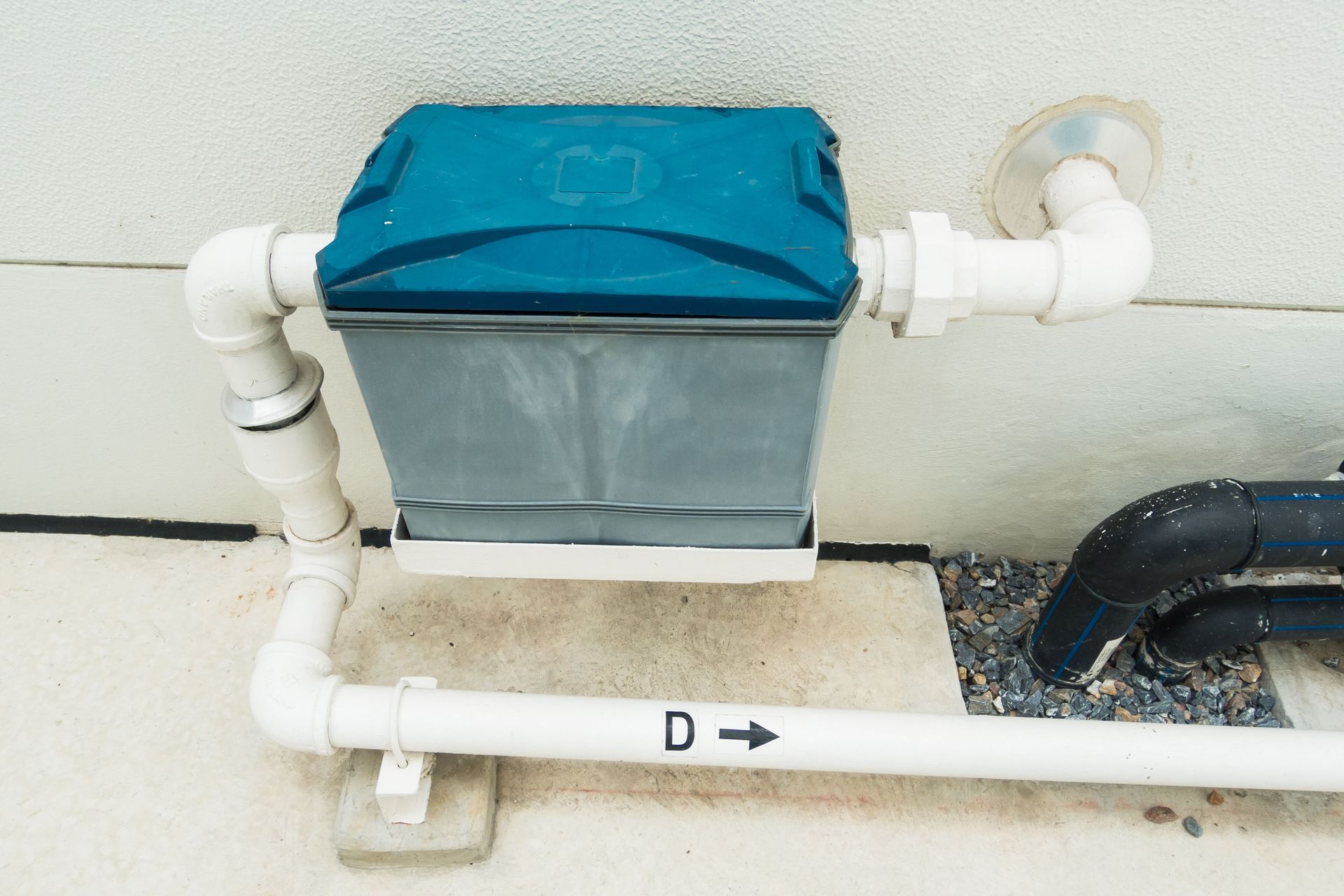
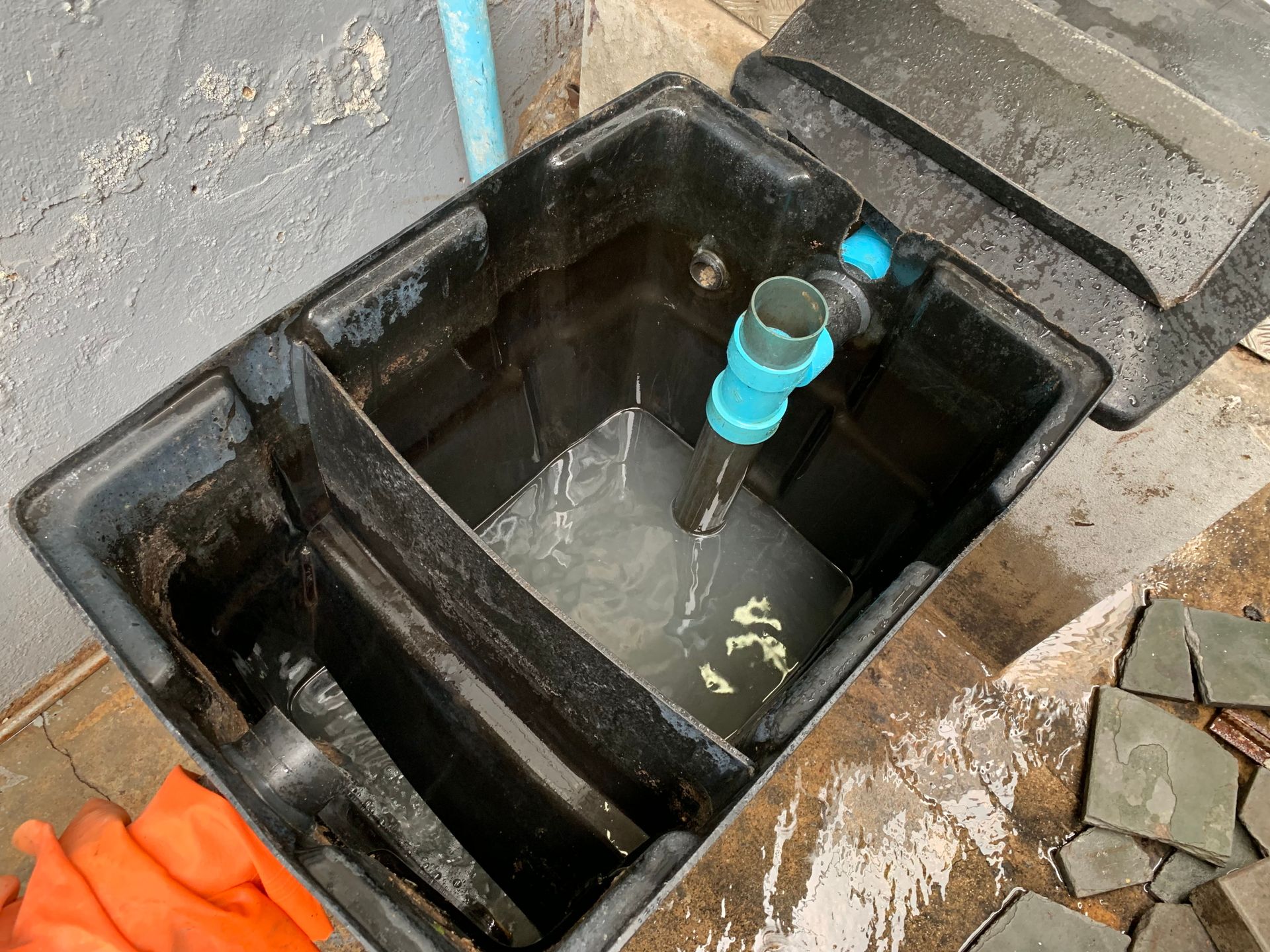
One of the most significant wastewater challenges in the food industry is the increased production of fat, oil, and grease, often called FOG. These materials are common byproducts in restaurants, meat processing facilities, fry operations, food packaging plants, and commercial kitchens. As food production expands, so does the volume of FOG entering drains, interceptors, and collection systems. When not handled properly, FOG can accumulate inside pipes, restrict flow, and create major operational and environmental problems. Food businesses that produce grease-heavy wastewater need regular monitoring and maintenance to prevent these substances from building up and disrupting service.
The risks connected to FOG are well documented. According to ScienceDirect, deposits of fat, oil, and grease are responsible for 25% of sanitary sewer overflows. That fact highlights why food industry growth places even more pressure on drainage and pretreatment systems. Businesses cannot simply assume that existing grease traps or interceptors will continue working efficiently under increased demand. Regular pumping, inspection, cleaning, and system evaluation are all necessary to keep waste streams under control. Professional wastewater services help food businesses stay ahead of these issues by reducing the chance of blockages, overflows, emergency shutdowns, and sanitation concerns that can damage both property and reputation.
Meeting Stricter Regulatory Demands
As the food industry expands, regulatory oversight often becomes more complex. Food-related businesses must comply with local, state, and federal requirements related to wastewater discharge, pretreatment, environmental safety, and public health. These regulations are designed to prevent contaminants from entering municipal sewer systems or surrounding ecosystems in harmful amounts. A growing food operation may trigger new permit requirements, reporting obligations, discharge limitations, or inspection standards that did not apply when the business was operating at a smaller scale. Even established facilities may face heightened scrutiny when production volume increases or when equipment and processes change.
Professional wastewater services play a valuable role in helping businesses manage these compliance responsibilities. Rather than reacting to citations or emergency issues, food companies benefit from having proactive support that helps them understand what is required and how their systems are performing. Service professionals can assist with routine maintenance, documentation, inspections, waste handling practices, and recommendations for system upgrades when needed. This kind of ongoing attention helps reduce the risk of noncompliance, unexpected downtime, and costly penalties. In a competitive food industry, maintaining strong environmental practices is not only a legal necessity but also an important part of responsible business operations.
Supporting More Sustainable Growth
The food industry is under increasing pressure to operate more sustainably, and wastewater management is a major part of that conversation. Consumers, regulators, and business partners are paying closer attention to how companies handle waste, conserve resources, and reduce environmental impact. Facilities that generate large amounts of wastewater must think carefully about disposal practices, pretreatment methods, water reuse opportunities, and long-term infrastructure planning. Sustainable growth is not only about increasing production. It is also about doing so in a way that protects public systems and natural resources while supporting long-term business success.
Effective planning helps food businesses grow responsibly instead of outpacing the systems that support them. A well-maintained wastewater program can improve efficiency, reduce waste-related emergencies, extend equipment life, and support a cleaner operating environment. It can also strengthen a company’s reputation by showing commitment to responsible management practices. As the food industry continues to evolve, wastewater management will remain a critical part of sustainable operations. Businesses that invest in thoughtful planning and professional wastewater services today are often better prepared for expansion, changing regulations, and increased public expectations in the years ahead.
Preparing for Greater Infrastructure Demands
As food production increases across a region, the pressure does not fall on a single business alone. It also affects shared infrastructure, including municipal sewer systems, treatment capacity, transportation networks, and industrial service support. More food facilities, more kitchens, and more production volume can strain both private and public systems, especially in areas experiencing rapid development. Businesses that fail to plan for these broader demands may find themselves dealing with recurring capacity issues, aging equipment problems, or limitations that interfere with expansion. Infrastructure readiness becomes a key concern when growth is happening at both the business and community levels.
Experienced wastewater services providers help food businesses prepare for these larger infrastructure demands by evaluating how existing systems function under real operating conditions. They can recommend practical maintenance schedules, identify areas where upgrades may be needed, and help businesses plan ahead rather than reacting under pressure. This forward-looking approach is especially valuable for companies that expect continued growth or seasonal spikes in output. A strong wastewater strategy helps create a more stable foundation for expansion and reduces the likelihood that infrastructure problems will interfere with productivity, compliance, or service quality over time.
The growing food industry brings exciting opportunities, but it also creates serious wastewater challenges that businesses cannot ignore. Higher water usage, increased FOG output, stricter compliance demands, greater risk of disruptions, and mounting infrastructure pressure all point to the same reality. Wastewater management must be treated as a core operational priority, not an afterthought. Businesses that address these needs early are better equipped to protect their facilities, support efficient production, and grow responsibly in a competitive market. If your operation needs dependable wastewater services to manage these demands, contact Helgerson's Environmental today.

Share On: