What to Know About Catch Basins
Catch basins are a crucial component of urban water management systems. They play a significant role in controlling stormwater runoff, preventing floods, and ensuring the sustainability of urban environments. As cities continue to urbanize and climate patterns change, the demand for efficient drainage systems, such as catch basins, has become increasingly vital. This article delves into the intricate world of these structures, exploring their design, importance, and future trends in urban infrastructure to help recognize their contribution to maintaining safe urban spaces.
Understanding the System
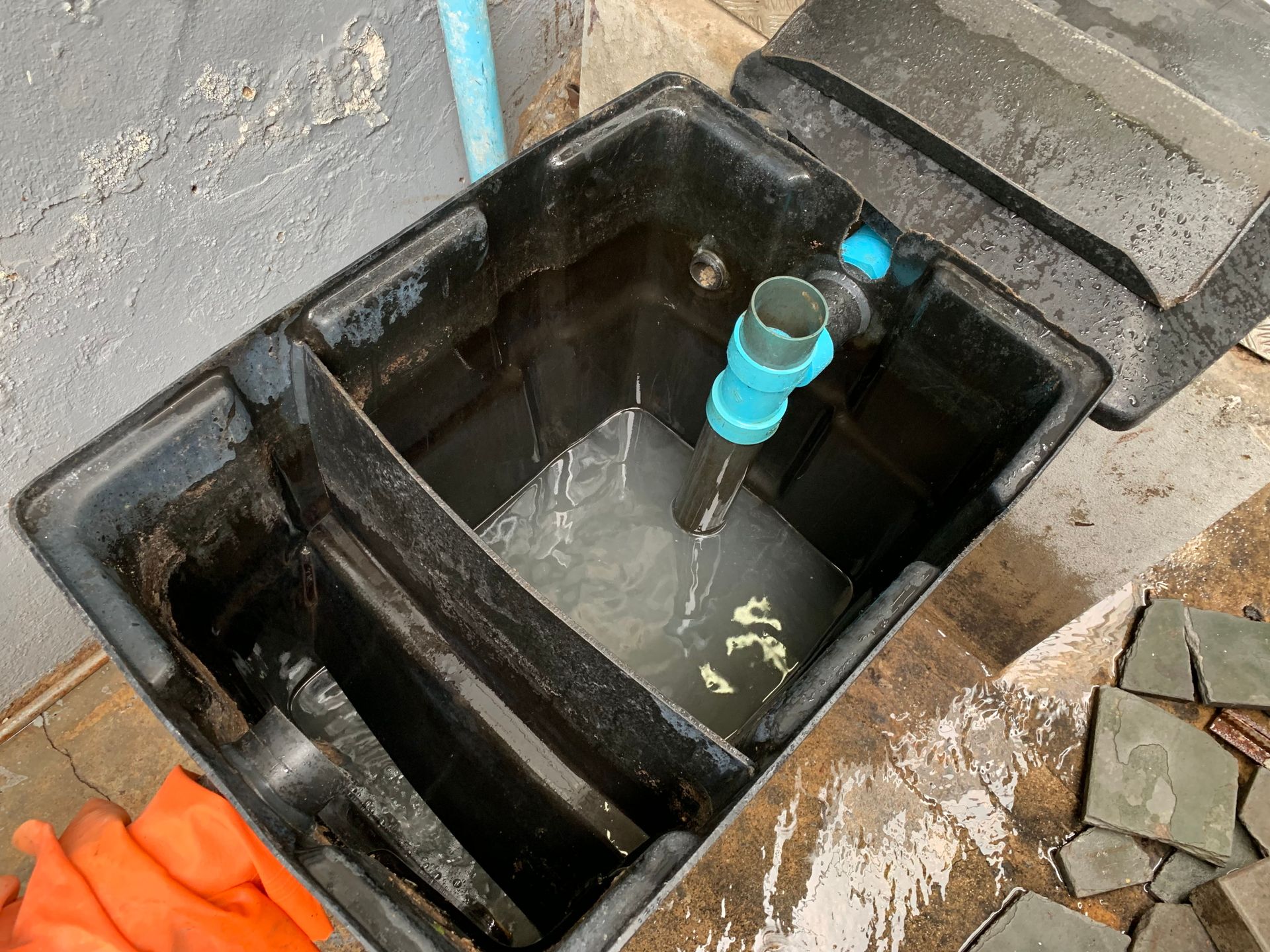
Catch basins, sometimes referred to as storm drains, are structures designed to manage water runoff on streets and urban landscapes. They serve as the primary interface between surface runoff and underground drainage systems, efficiently channeling excess water away from urban areas. They help prevent water accumulation on roads, reducing the risk of flooding during heavy rainfall or storms. Furthermore, they can trap debris and pollutants, preventing them from entering sensitive water systems downstream.
The functionality of these structures hinges on several key components:
- Gratings: Cover the top, allowing water to enter while filtering out larger debris.
- Sump: Lies below the grate to collect sediment and smaller debris, effectively preventing clogs.
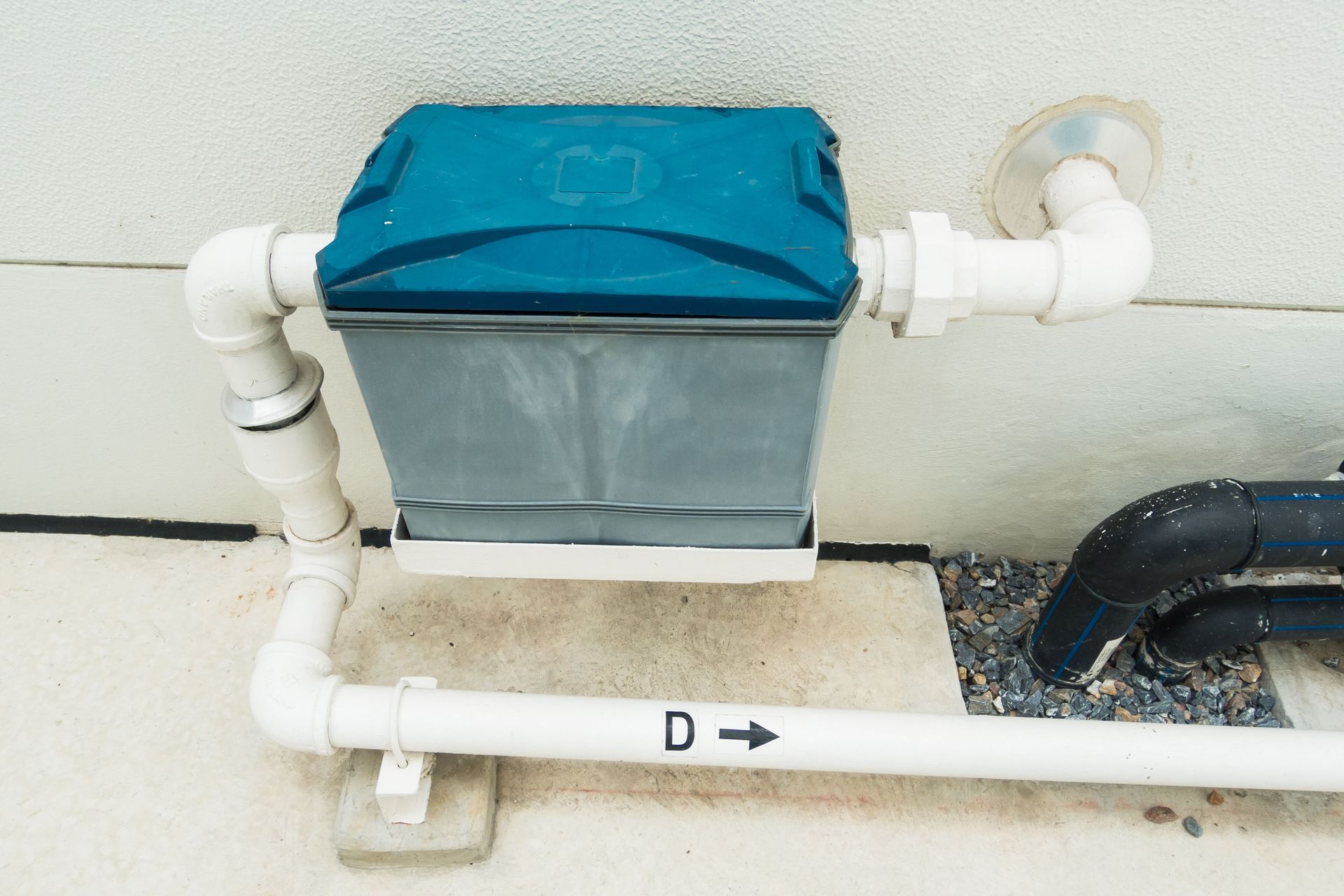
- Outlet Pipe: Channels collected water from the sump into the broader drainage system.
Each component must be properly maintained to ensure the system functions efficiently, aligning with recommendations from plumbing experts who advocate for regular maintenance similar to sewer lines.
These drainage solutions come in various designs suited for different settings. One common type is the curb inlet, positioned at street edges. Drop inlets are typically found in low-lying areas where water naturally collects. The selection often depends on the geographical and urban planning characteristics of an area.
Evaluating Infrastructure Importance
Effective infrastructure is integral to flood prevention strategies in urban environments. By efficiently capturing and redirecting stormwater, catch basins help control water levels and mitigate the risk of overflow onto streets. This is particularly critical during heavy rain events, where water accumulation could otherwise overwhelm infrastructure.
Beyond flood prevention, these systems have direct effects on local ecosystems and public health. By filtering out pollutants and debris before water is discharged, they help preserve water quality and protect aquatic life. Furthermore, by diverting pollutants and reducing water stagnation, they minimize the proliferation of waterborne diseases and pests such as mosquitoes.
The financial considerations of management are significant for municipalities. Initial installation costs can be substantial, but regular maintenance helps prevent costly repairs and infrastructure damage. The economic impact of these systems underscores their value as a vital component of urban infrastructure, as seen in cities like New York and Toronto, which heavily rely on them to manage stormwater for growing populations.
Analyzing Design and Installation
Strategic placement is critical during installation. Urban planners must assess areas prone to water accumulation, ensuring optimal drainage performance. Factors such as road gradient, traffic patterns, and local climate conditions influence these decisions. Properly positioned catch basins enhance water capture efficiency and reduce the likelihood of overflow or blockages.
The materials used in construction significantly affect durability and longevity. Common choices include:
- Concrete: Known for its strength and resistance to environmental wear.
- Polyethylene and Fiberglass: Modern composites providing enhanced corrosion resistance.
Design must be tailored to accommodate varying environmental conditions. In coastal areas, structures may need additional features to resist saltwater corrosion. Urban areas with unique topographies might require custom shapes and configurations to optimize drainage. Furthermore, installation is subject to rigorous engineering standards and regulations to ensure safety, performance, and environmental compliance throughout the lifecycle of the structures.
Enforcing Regulatory Compliance
Because stormwater management impacts public safety and environmental health, catch basins are heavily governed by local ordinances and environmental laws. Most municipalities enforce strict regulatory compliance regarding who is responsible for their maintenance, especially when located on commercial or private property. Under federal and state clean water acts, property owners must ensure their storm structures do not discharge heavy sediments, oil, or toxic chemicals into the municipal sewer system. Failure to comply with scheduled cleanings or structural standards can result in hefty code violation fines and legal liabilities for localized flooding.
Furthermore, evolving municipal frameworks are increasingly tying these regulations to broader urban resilience goals. Many cities now require detailed inspection logs and certified engineering reports as part of routine property audits, shifting the burden of environmental stewardship directly onto land developers and commercial managers. This proactive regulatory push ensures that private infrastructure integrates seamlessly with public drainage grids, mitigating the risk of systemic failures. By codifying these strict maintenance schedules, local governments can better track regional runoff quality and hold property owners accountable for their local ecological footprint.
Managing Maintenance and Cleaning
Preventive maintenance is vital to ensure continued functionality. Regular inspections help identify potential issues such as debris accumulation and structural damage early on. According to Forbes, plumbing experts recommend sewer line maintenance every two years to prevent backups and clogs caused by debris buildup in pipes. By integrating these preventive strategies, municipalities can maintain optimal catch basin performance.
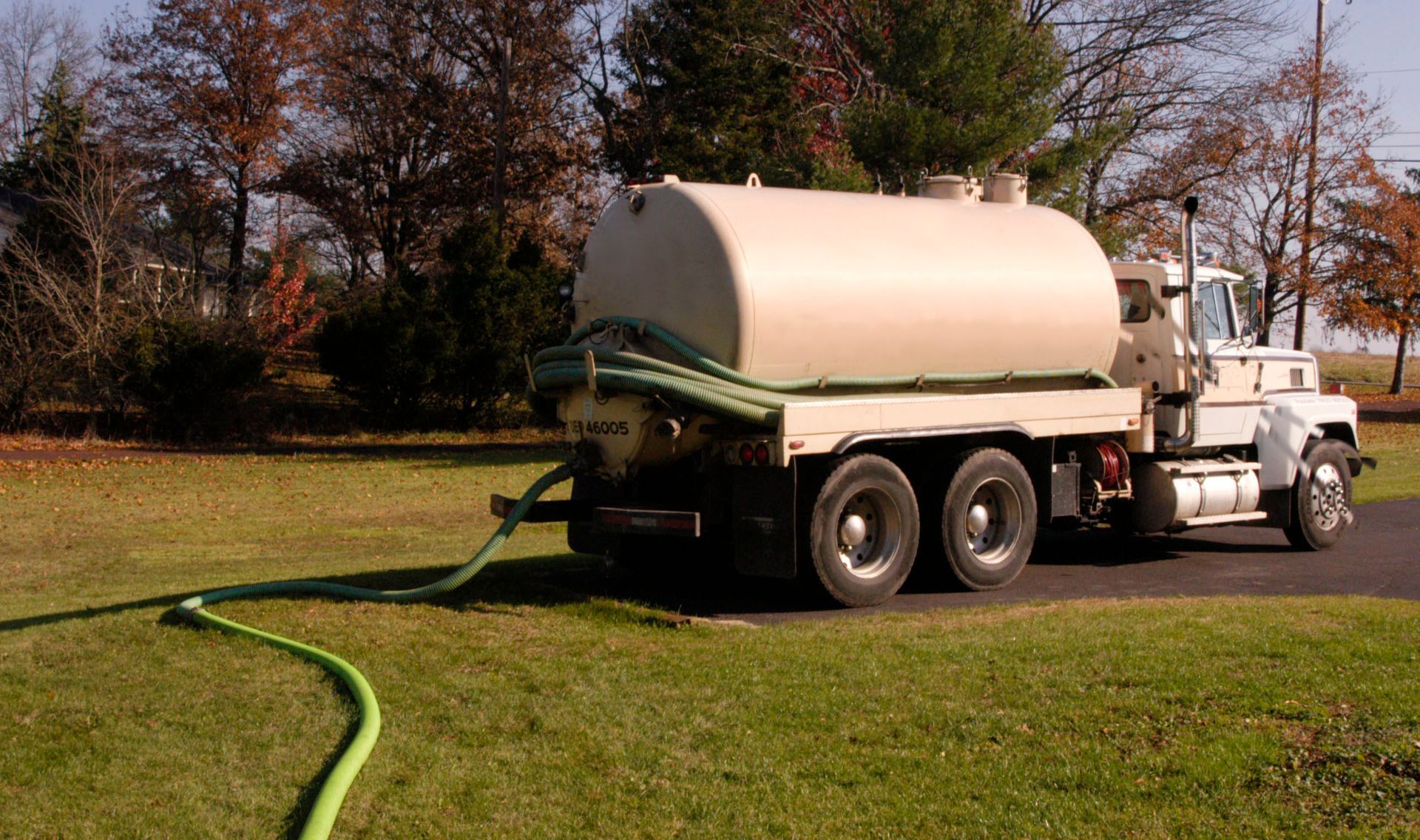
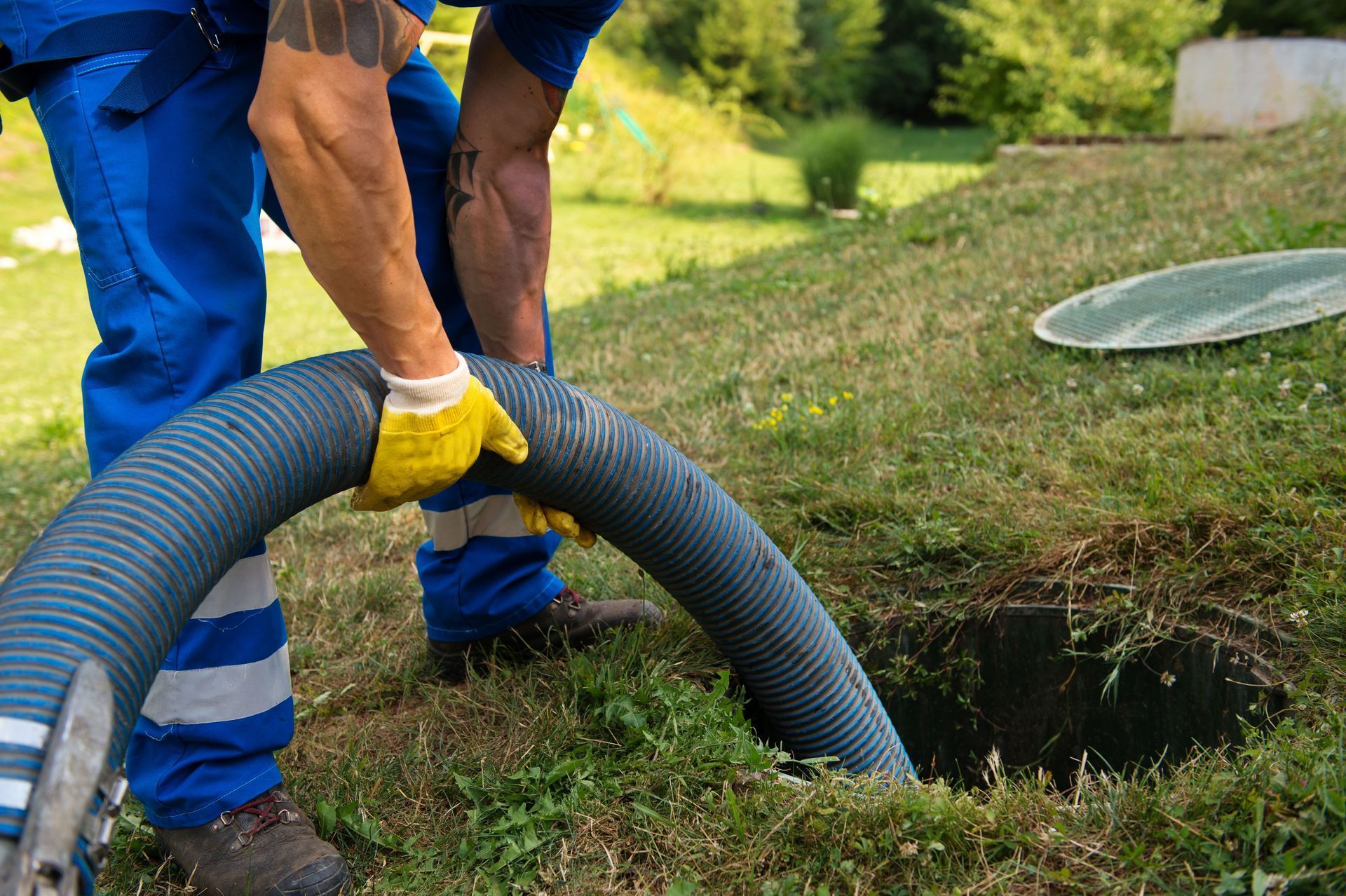
Common cleaning methods include manual debris removal, vacuum trucks, and high-pressure water jets. Vacuum trucks are highly efficient for large-scale debris extraction, while manual cleaning suits smaller accumulations. The frequency of these activities is influenced by local weather patterns, environmental conditions, and urban density.
Identifying signs of blockage and damage is crucial. Water pooling on streets, irregular flow from outlets, and unusual odors often indicate system issues requiring attention. While regular upkeep incurs ongoing expenses, it ultimately prevents more costly repairs and severe flood damage down the line.
Adapting to Environmental Factors
These structures directly influence surface water quality by capturing runoff and filtering out pollutants. Effective pollution control contributes to healthier urban environments and biodiversity by trapping debris, sediments, and contaminants before they enter local water bodies.
Climate change poses new challenges to traditional water management systems, necessitating design adaptation. Increased rainfall intensity and frequency require larger and more efficient catch basins to handle heightened runoff volumes. Climate-resilient designs incorporate features to accommodate environmental extremes, enhancing urban resilience. Retrofitting existing systems to meet changing climate demands is a critical consideration for modern urban planners to ensure sustainable drainage under evolving conditions.
Anticipating Future Innovations
Technological advances are continuously reshaping design and maintenance practices. Innovations in sensors and automation enhance real-time monitoring, allowing for proactive maintenance interventions. New materials, such as self-healing concretes, drastically improve structural durability and longevity.
The integration of smart technology is revolutionizing urban water management. Sensors equipped with real-time data transmission capabilities enable remote monitoring of basin conditions, facilitating an instant response to maintenance needs. This connectivity allows for predictive maintenance, reducing operational costs and enhancing overall efficiency.
Finally, community involvement is increasingly recognized as a key component of effective infrastructure health. Public participation in maintenance initiatives raises awareness and reduces litter, which directly enhances functionality. Engaging local stakeholders fosters a sense of ownership and responsibility for urban water management systems.
Catch basins are indispensable components of urban infrastructure, vital to managing stormwater runoff and preventing flooding. Their design, installation, maintenance, and evolution continue to adapt to the challenges posed by rapid urbanization and climate change. As we advance technologically, the integration of smart systems and community involvement promises to further enhance their efficacy. Understanding and optimizing these systems ensures resilient, adaptive, and sustainable urban environments for the future. For more information about catch basin services from experienced industry contractors, contact Helgerson's Environmental today.

Share On: